


2026 Wood Burning Fireplaces Buying Guide
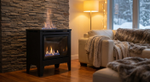
A wood-burning fireplace purchase fails or succeeds before you ever light the first fire: at the planning and compliance stage. You want real wood, not a smoke problem, a surprise clearance conflict, ...


You want that instant, cozy fireplace heat without paying for a chimney, cutting into walls, or committing to a major remodel. Then you see ventless models advertised as "up to 99% efficient," and it ...
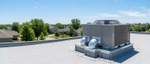
You're shopping for a "complete A/C unit," then listings start throwing around labels like packaged, RTU, and split, and it's not clear what you're actually buying. A packaged A/C system is a self-co ...
You want heat-pump efficiency, but you also want the house to stay warm when the temperature drops into the teens. You are trying to control winter bills without accepting cold rooms, long recovery t ...
Introduction: Why HVAC Warranties Matter for Homeowners Your HVAC system is a major home investment. Understanding what warranties cover, what you must do as the homeowner, and how to keep coverage va ...
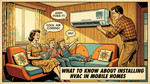
What to Know About Installing HVAC in Mobile Homes Installing HVAC in a mobile or manufactured home is not the same as working in a site-built house. Construction is lighter, walls are thinner, ducts ...
Many homeowners want to cut heating bills without gambling on comfort when it's freezing outside, yet the conversation often gets framed as "heat pump vs. furnace" as if it's an either-or choice. In ...
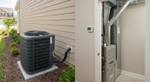
You get an HVAC quote with an "air handler" line item, and all you can think is: why is the indoor box the problem when the outdoor unit is what you see? Then the symptoms hit: weak airflow, a rattlin ...
You ask what size air conditioner and furnace you need, and you get the same simplistic answers: "match the old size" or "go by square footage." That's how homeowners end up paying for new equipment ...
If you are shopping dehumidifiers, the "up to X sq ft" labels will give you three different answers for the same room. Or you already bought one, and it still feels damp while the bucket fills nonsto ...
You want "stove heat", the kind that makes the room feel lived-in, but the decision splits fast: wood promises romance and real resilience when the power goes out, while gas gives you push-button comf ...
California's IRA for Homeowners: A quick guide to what's changing and why it matters Upgrading your home's HVAC in California has never been more attractive. The federal Inflation Reduction Act, combi ...
The right furnace size depends on your home's square footage, insulation quality, climate zone, and ceiling height. A unit that's too small won't heat effectively, while an oversized furnace will cycle on and off frequently, wasting energy and causing uneven temperatures. Our blog articles include BTU calculators and sizing guides to help you find the perfect fit.
Most HVAC air filters should be replaced every 30 to 90 days, depending on the filter type, household size, and whether you have pets. High-efficiency filters like MERV 13 or higher may need more frequent changes due to their denser material. Regular replacement improves indoor air quality and keeps your system running efficiently.
A heat pump transfers heat from outdoor air to warm your home and can reverse the process for cooling, making it an all-in-one solution. A furnace generates heat by burning fuel (gas, oil, or propane) or using electric resistance. Heat pumps are more energy-efficient in mild climates, while furnaces perform better in regions with harsh winters.
Start by sealing air leaks around windows, doors, and ductwork. Adding proper insulation to your attic and walls makes a significant difference. Schedule annual HVAC maintenance, upgrade to a programmable thermostat, and consider replacing older equipment with high-efficiency models rated 95% AFUE or higher.
AFUE stands for Annual Fuel Utilization Efficiency and measures how efficiently a furnace converts fuel into heat. A furnace with a 96% AFUE rating converts 96 cents of every dollar spent on fuel into actual heat, with only 4 cents lost to exhaust. Higher AFUE ratings mean lower energy bills and reduced environmental impact.
Consider replacing your heating system if it's over 15 to 20 years old, requires frequent repairs, or your energy bills have increased significantly. Other warning signs include uneven heating, strange noises, and difficulty maintaining consistent temperatures. Modern high-efficiency furnaces and boilers can reduce heating costs by up to 30%.
A modulating furnace adjusts its flame and blower speed in small increments to match your home's exact heating demand. Unlike single-stage units that only run at full capacity, modulating furnaces provide more consistent temperatures, quieter operation, and improved energy efficiency. They're ideal for homeowners seeking maximum comfort and lower utility costs.
Your choice between a gas furnace and an electric furnace depends on local utility costs, existing infrastructure, and climate. Gas furnaces typically have lower operating costs and heat more quickly, but require a gas line and proper venting. Electric furnaces have lower upfront costs and simpler installation but may cost more to run in colder regions.
Annual professional maintenance should include inspecting the heat exchanger, cleaning burners, checking the flue system, testing safety controls, and lubricating moving parts. Homeowners should regularly replace air filters, keep vents unobstructed, and check thermostat batteries. Proper maintenance extends equipment life and prevents costly emergency repairs.
Smart thermostats can reduce heating costs by 10% to 15% by learning your schedule and adjusting temperatures automatically. Features like remote control via smartphone, energy usage reports, and integration with home automation systems add convenience. Most homeowners see a return on investment within one to two heating seasons.